Living in a rural area there are often broken down vehicles that end up on the side of the road for a couple days at a time, and especially as the autumn days get shorter, they can pose a bit of a hazard on narrow roads. To help increase visibility I wanted to create an easily made flasher that could last for a couple days that could be left on the vehicle. The idea being it is cheap enough to not worry about collecting or getting back either.
TLDR: Make your own emergency flasher with a couple LEDs, a 9 volt battery, and a 3d printed holder. No solder or switches, just twist the wires and go.
Print files available here.
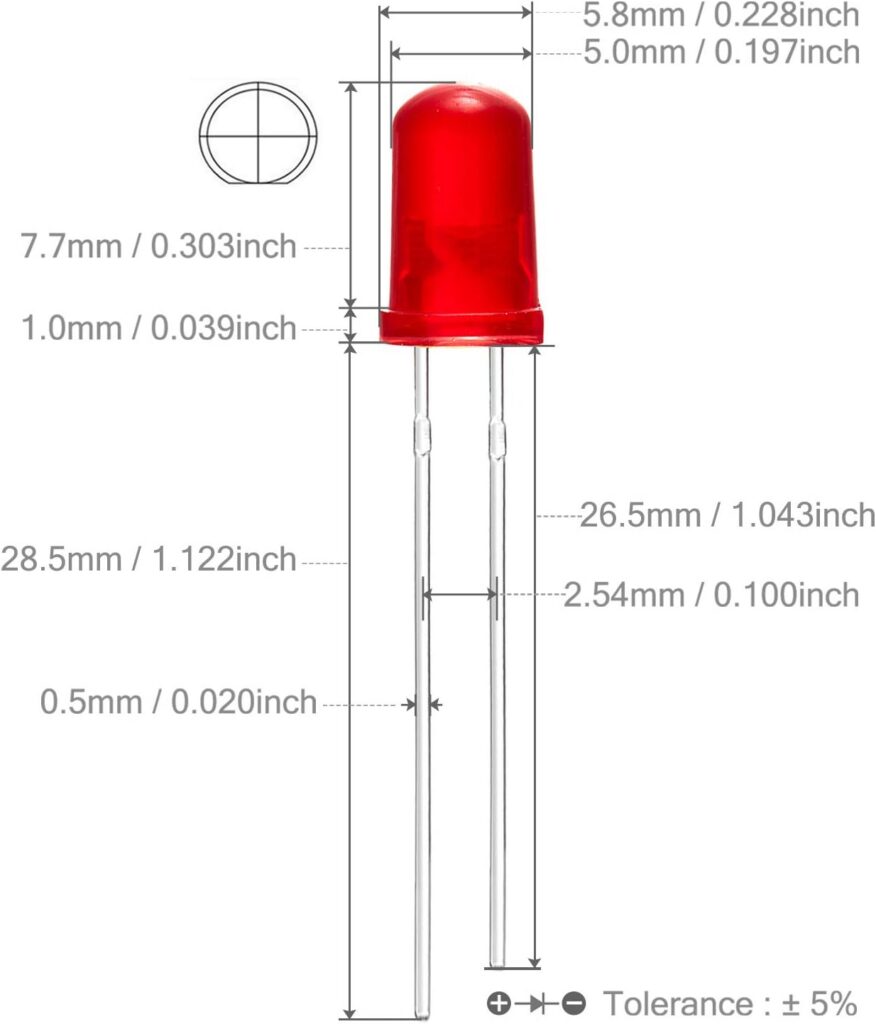
Initially I considered using conductive filament to help with the design, but once I settled on an led to use, the long legs on the led meant with the right plan I could just have them make direct contact with the battery. I ended up on a 5mm Blinking Diffused Lens Round DC 2V 20mA LED, they come in large packs for cheap and are already blinking so I don’t need to add that function to them. Be mindful of polarity, the long lead is the positive.
The next issue is the battery, it either needs both posts at one end or has to be short enough for the leads to reach both ends. Playing around with a CR2032 coin cell battery, it fits perfectly between the leads and it would be easy to make a little clip to pinch it all together, but the coin cell will only last a few hours and I want a couple days at least. A CR123A just about works, it is nearly short enough for the leads to reach both ends, but it is a stretch, they are expensive, and I am still not up to several days of use.
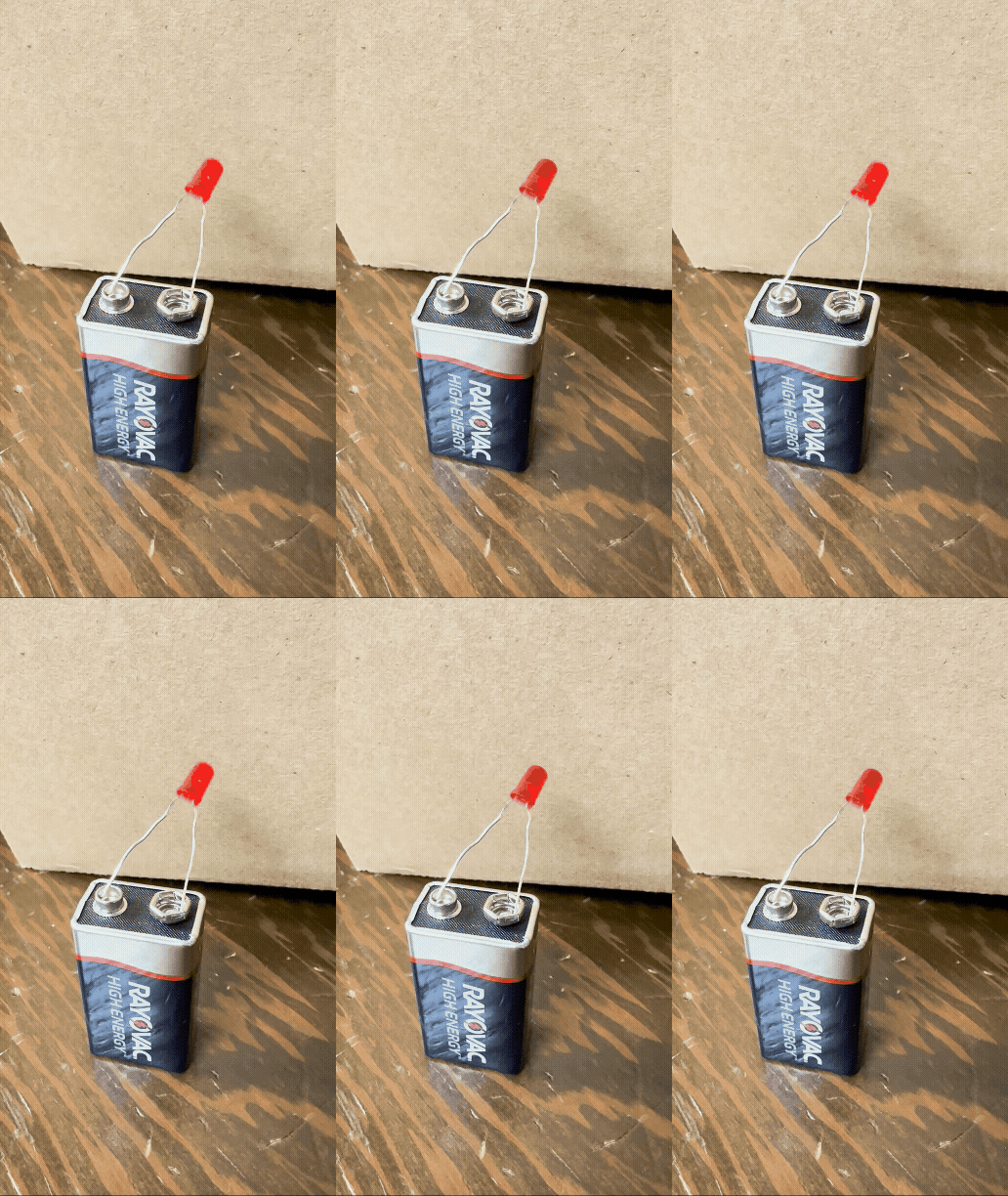
Ultimately I decided on a standard 9v battery. Normally I would need a resistor or something to make this work given the LED is 2v and the battery is 9v, but after some testing it seems it’s the LED has a tiny built-in circuit that both blinks it and limits the current, so no issues with the 9v battery. This means I have both terminals at one end of the battery, and the LED leads reach them easily. Now all I have to look at is battery life. I made a “sophisticated” test rig and just let it run until it died. Five and a half days later we had our answer, and given that I want to run two LEDs and not one, we can cut that number in half and assume we will get about 2.5-3 days of runtime out of it. That kind of life-cycle should be pretty good for what we want wince most cars are removed after a couple of days.
Next was the holder, I went with a somewhat coffin style design. The battery drops in and the LEDs are on the bottom with a a couple holes for the leads to come in and press agains the terminals. I tried adding a couple tabs with some holes the leads would push into to hold them in place so the terminals can make contact. Initially my holes going through for the leads were too small. The 3d printer was struggling to leave an opening, eventually I sized up to a 2mm hole which has been more reliable. This setup was working fine, but it was difficult to get the battery in and out with good contact and not just shoving the leads out of the way. After trying to play with dimensions a bit with no significant improvement I decided pushing up against the leads would be a better approach so I modified the design.
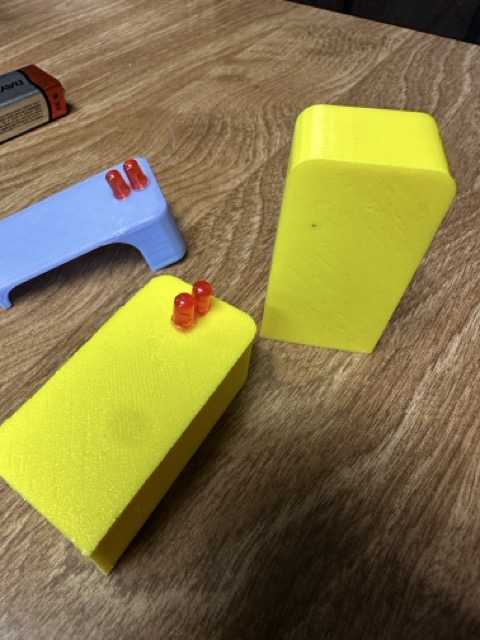
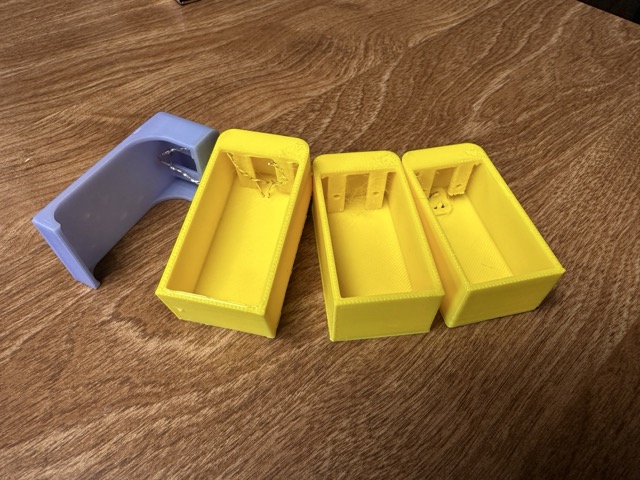
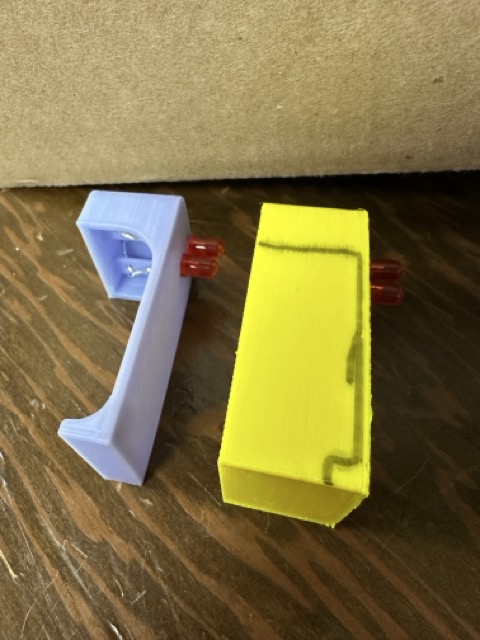
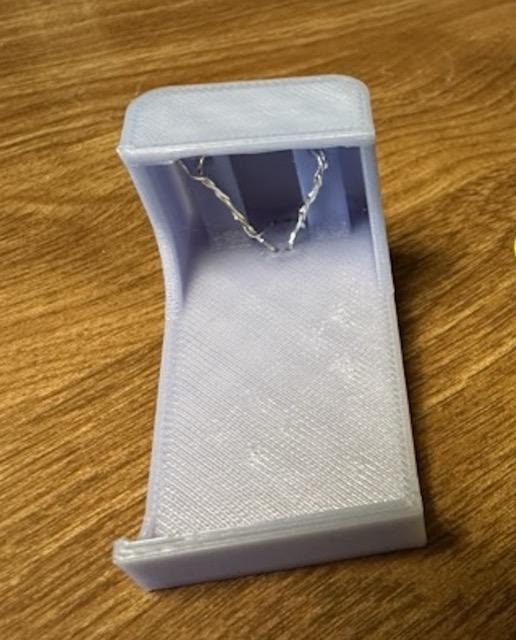
The new design was working well, I did make the tabs for the leads connect all the way. They were only attached on one end during the coffin design to try and allow more flex but with the new approach it wasn’t necessary. I left a bit of a cavity in the top in case I add a photosensor in the future so it will turn off in the daylight and extend the life. The new setup has been working well and I added a “+” to one side of the design so you can consistently wire it. Simply push the leads through and twist the respective polarities together. then give them a little bend at the tip and shove it through the whole in the tab. This helps keep them in place and lined up to hit the battery terminals.
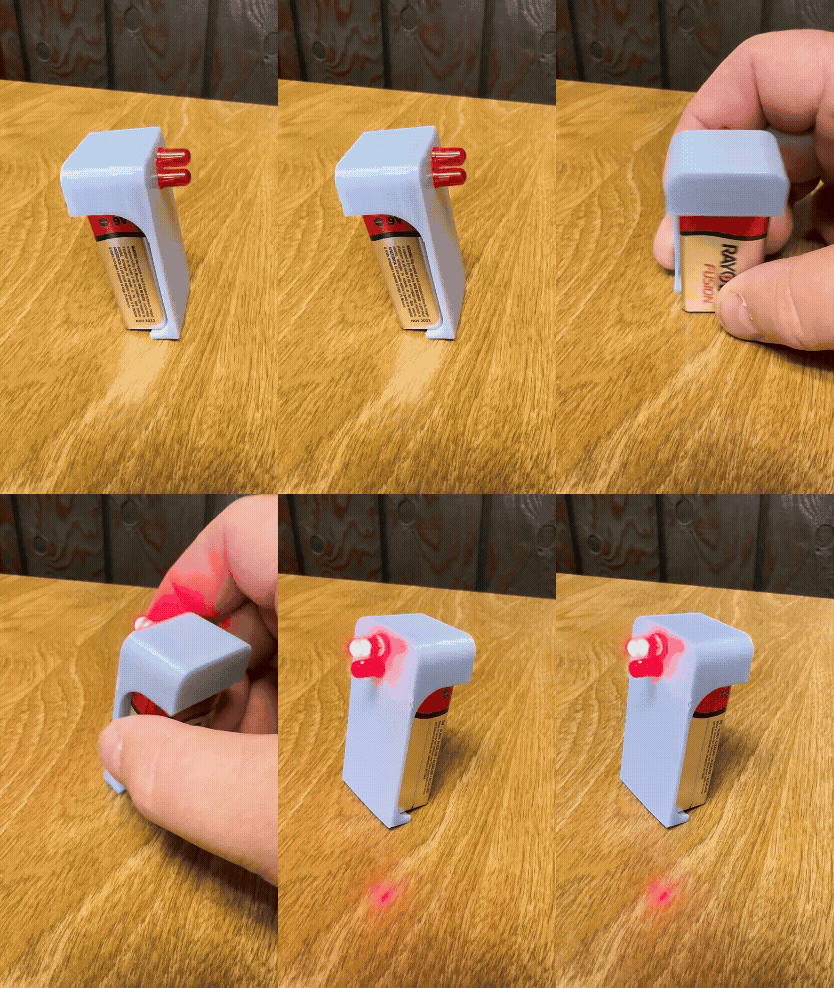
Overall, the current design seems to be working well and you can easily add and remove the battery, but the battery still holds in place nicely during use. Many vehicles have a rear wiper, with SUVs and crossovers being so popular, so I was planning on just zip tying it to the wiper to keep things easy. I had considered using some sort of double-stick tape, but it would just be on the battery and that seemed like a poor choice. I am still considering a piece of tape or something for when a zip tie won’t work, but I figure I will just tape right over it straight onto the rear window or tailgate of the vehicle.